
 Send Inquiry
 Call Us:- 08045803643




 Send Inquiry
Naphtha Liquid
Price 83.0 INR/ Kilograms
MOQ : 1000 Kilograms
Naphtha Liquid Specification
- Application
- PAINT,VARNICE
- Weight
- 1 Kilograms (kg)
- Color
- Water White
- Use
- Paint
- Smell
- Kerosene Like
- Density
- 0.72 Kilogram per litre (kg/L)
- Chemical Composition
- Naptha
- Type
- Naptha
- Pack Type
- Barrel Tanker
Naphtha Liquid Trade Information
- Minimum Order Quantity
- 1000 Kilograms
- Payment Terms
- Cash Advance (CA), Cash in Advance (CID), Cheque, Cash on Delivery (COD)
- Supply Ability
- 100 Kilograms Per Day
- Delivery Time
- 48 Hours
- Sample Available
- Yes
- Sample Policy
- Free samples available with shipping and taxes paid by the buyer
- Main Export Market(s)
- Asia
- Main Domestic Market
- All India
- Certifications
- ISO 9001:2008 Certified
Naphtha Liquid About
Naphtha is a general term used to describe a range of volatile, flammable liquid hydrocarbon mixtures. It is a complex mixture of hydrocarbons and can be obtained from the distillation of crude oil, coal tar, or natural gas condensates. The composition of naphtha can vary widely, and it falls within a certain boiling range, typically between gasoline and kerosene.
Here are some key points about naphtha:
Composition: Naphtha consists mainly of hydrocarbons, including alkanes (saturated hydrocarbons) and cycloalkanes (cyclic hydrocarbons). It may also contain small amounts of aromatic hydrocarbons.
Boiling Range: The boiling range of naphtha generally falls between the boiling points of gasoline and kerosene. The specific range can vary, but it is typically in the range of 30 to 200 degrees Celsius.
Uses:
Petrochemical Industry: Naphtha is a key feedstock in the petrochemical industry. It is used as a raw material in the production of various chemicals, including olefins (ethylene, propylene), aromatics (benzene, toluene, xylene), and other intermediate products.
Solvent: Naphtha is used as a solvent in various applications, such as cleaning, degreasing, and in the formulation of paints and coatings.
Fuel: In some regions, certain types of naphtha can be used as a fuel for combustion engines.
Refining: Naphtha is produced during the crude oil refining process, particularly in the atmospheric distillation unit. It is then further processed in other refining units to meet specific requirements or to produce higher-value products.
Chemical Processes: Naphtha is a versatile feedstock in the chemical industry, serving as a precursor for the production of a wide range of chemicals and plastics.
Cracking: Naphtha can undergo catalytic cracking, a process in which larger hydrocarbons are broken down into smaller, more valuable products like gasoline and lighter olefins.
Classification: Naphtha can be classified into different types based on its properties, such as light naphtha and heavy naphtha. The classification often depends on the boiling point range and the intended use
Superior Solvent for Paints and Varnishes
Naphtha Liquid is widely recognized for its effectiveness in thinning paints and varnishes, ensuring an even consistency and smooth application. Its chemical stability enables it to efficiently dissolve various binder and pigment combinations, enhancing the final products performance and appearance. The kerosene-like aroma is indicative of its strong solvent poweran attribute appreciated by manufacturers and specialists in the coatings industry.
Efficient Supply Chain Across India
As a distributor, exporter, importer, manufacturer, supplier, and trader, we offer prompt and reliable delivery of Naphtha Liquid throughout India. Our barrel tanker packaging ensures safe transportation and bulk availability, catering to the requirements of various industrial sectors. Our commitment to purity and consistency guarantees a product that meets rigorous quality standards with every shipment.
FAQs of Naphtha Liquid:
Q: How is Naphtha Liquid commonly used in industrial processes?
A: Naphtha Liquid serves primarily as a solvent in industries focused on paints and varnishes. It is utilized to dilute, dissolve, and clean, allowing for improved spreading and blending in coatings and finishes. Its composition makes it suitable for cleaning paint equipment and as an ingredient in the formulation of coatings.Q: What benefits does using Naphtha Liquid offer to manufacturers?
A: Manufacturers benefit from Naphtha Liquids exceptional solvency and rapid evaporation rate. These properties help in achieving even paint consistency, reducing drying times, and ensuring a streak-free finish. Additionally, its stability enhances the durability and appearance of paintwork.Q: When should Naphtha Liquid be used during the paint application process?
A: Naphtha Liquid is typically used at the preparation and cleaning stages. It is added before or during mixing to achieve the proper viscosity and is also employed after application for cleaning brushes, rollers, and other painting tools effectively.Q: Where can Naphtha Liquid be sourced in India?
A: You can obtain Naphtha Liquid from reputed distributors, exporters, importers, manufacturers, suppliers, and traders. It is most commonly supplied in bulk via barrel tankers for the convenience of industrial users.Q: What safety considerations should be observed while handling Naphtha Liquid?
A: Due to its volatility and kerosene-like odor, Naphtha Liquid should be handled in well-ventilated areas and kept away from heat or open flames. Proper protective equipment such as gloves and goggles is recommended during use to minimize exposure.Q: What is the typical packaging and quantity for industrial supply?
A: Naphtha Liquid is generally supplied in barrel tankers, with each unit weighing approximately 1 kilogram and boasting a density of 0.72 kg/L. This packaging format is ideal for industrial-scale applications.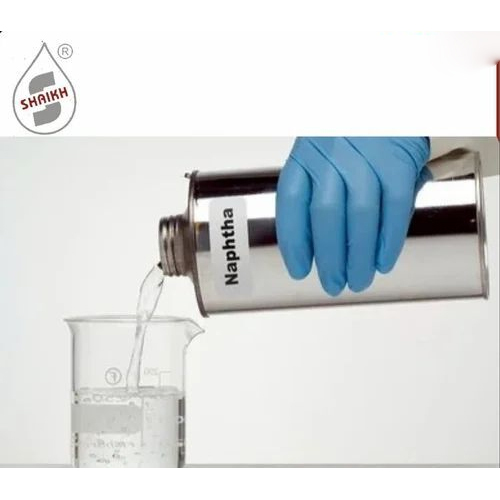
Tell us about your requirement

Price:
Quantity
Select Unit
- 50
- 100
- 200
- 250
- 500
- 1000+
Additional detail
Mobile number
Email

More Products in Light Diesel Oil Category
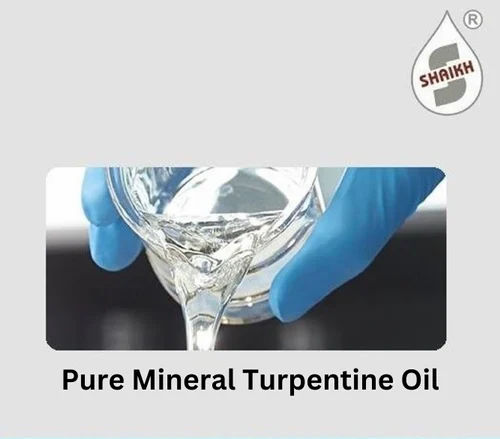
Pure Mineral Turpentine Oil
Price 115.00 INR / Kilograms
Minimum Order Quantity : 1000 Kilograms
Use : Paint
Application : PAINT,VARNICE
Pack Type : Barrel Tanker
Density : 0.78 Kilogram per litre (kg/L)
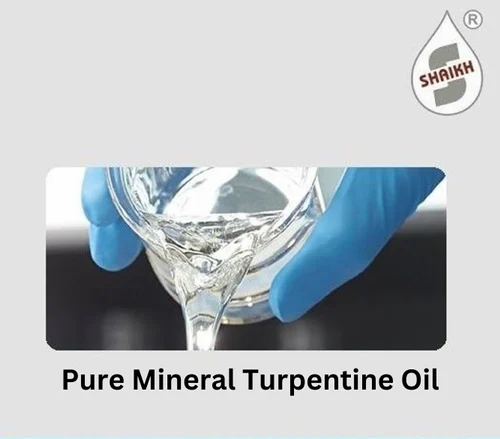
Distilled Turpentine Oil
Price 115.00 INR / Kilograms
Minimum Order Quantity : 1000 Kilograms
Use : Paint
Application : PAINT,VARNICE
Pack Type : Barrel Tanker
Density : 0.78 Kilogram per litre (kg/L)
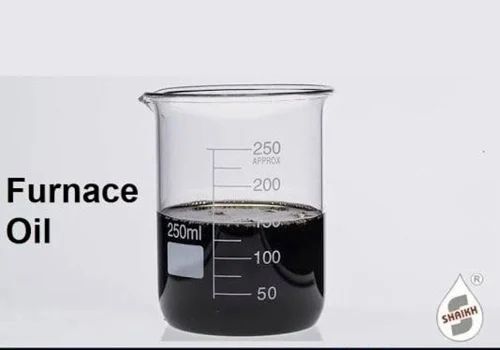
Furnace Oil CST 380
Price 78.0 INR / Kilograms
Minimum Order Quantity : 1000 Kilograms
Use : Furnace
Application : Burner/Furnace
Pack Type : Barrel Tanker
Density : 0.954 Kilogram per litre (kg/L)
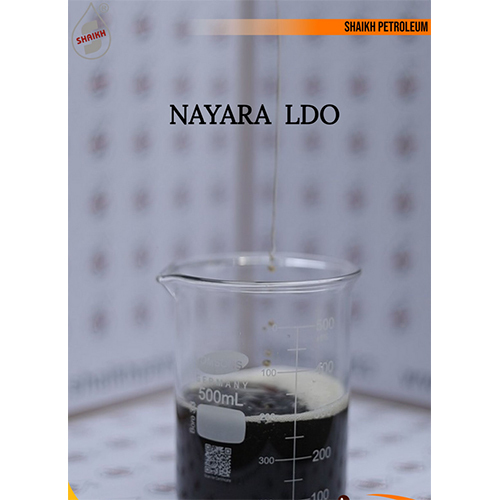
Light Diesel Oil
Price 81.0 INR / Kilograms
Minimum Order Quantity : 1000 Kilograms
Use : Automobile
Application : Burner/Furnace
Pack Type : DRUM / TANKER
Density : 0.87 Milligram per cubic meter (mg/m3)

SHAIKH PETROLEUM
GST : 24ALDPS4196B1Z6
GST : 24ALDPS4196B1Z6
Contact Details

- Reg Office: 11,12,13, Old Colony, Near Valia Crossing, GIDC Industrial Estate,Ankleshwar - 393002, Gujarat, India
- Phone :08045803643

- Mr Vahid Shaikh (Manager)
- Mobile :08045803643
- shaikhpetroleum@gmail.com

|


 Send Inquiry
 Send SMS
SHAIKH PETROLEUM
All Rights Reserved.(Terms of Use)
Developed and Managed by Infocom Network Private Limited.
Developed and Managed by Infocom Network Private Limited.

